Talk to salesZeal installs on your existing terminal estate. Every merchant gets customer recognition, seamless loyalty, and real-time insights. No hardware changes. Nothing for the merchant to do.


Your merchants are fielding offers every week: free terminals, lower rates, promises that all sound the same.
Zeal gives you something none of those pitches have: a reason to sign that isn’t the hardware, and a reason to stay that isn’t the price.
Portfolio health depends on merchants staying. Right now you find out a merchant has churned when the transaction data stops arriving.
Zeal surfaces at-risk signals before that happens – across your entire estate, in real time.
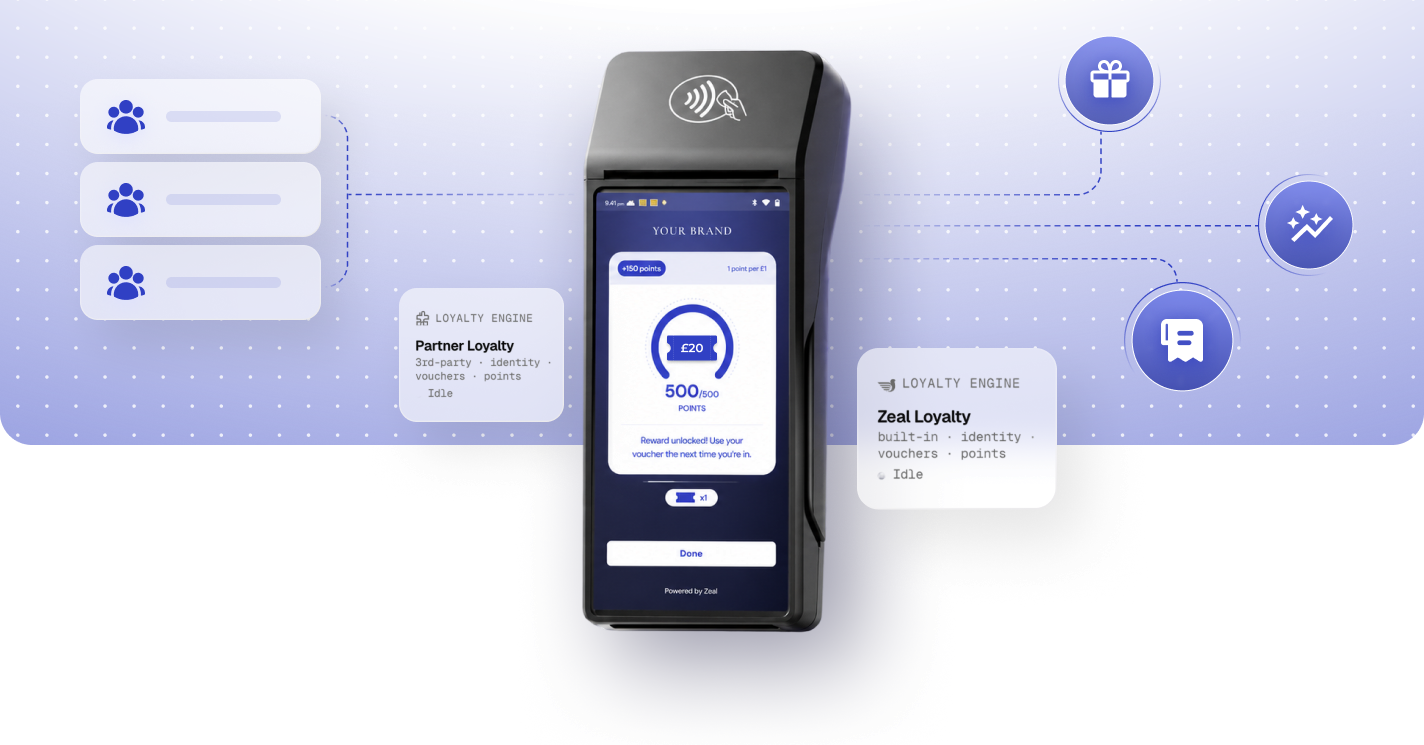
You’re already building on the terminal. Zeal adds a loyalty and data layer on top of your existing stack. There’s no build required, no system to manage.
Your merchants get more; you get a stronger product without the development overhead.
SME merchants are asking for more than just a card machine.
Zeal gives you a differentiated offer that moves the conversation away from price and justifies a margin that reflects the value you’re actually delivering.
Different route to the merchant, same edge: stickier relationships, richer data, a product that’s hard to walk away from. See what that looks like for you.
Talk to SalesCard payment providers are competing in a market where free terminal offers are everywhere and margins are under constant pressure. Zeal changes what a terminal is worth: both to the merchant, and to the ISO who placed it.

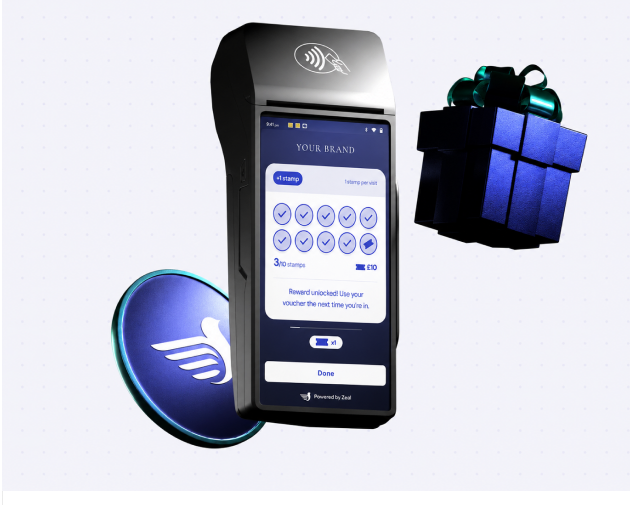
Payment terminal loyalty gives ISOs a sign-up argument that has nothing to do with hardware or rate. Merchants who can see their own customers, track returning visitors, and run a loyalty programme don’t make decisions based on price. They stay because the terminal is doing something no competitor can walk in and replicate overnight.
Most card payment providers find out a merchant has churned at the end of the following month. By then it’s already too late. Zeal surfaces the signals earlier: falling transaction frequency, declining basket sizes, regulars going quiet. The visibility to act before the decision is made.


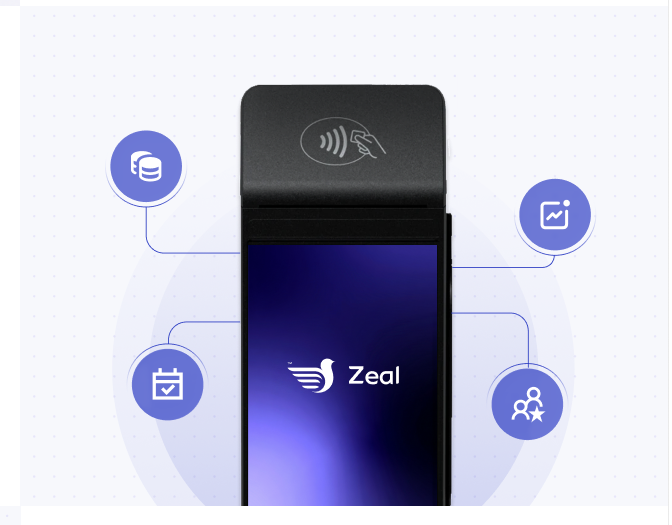
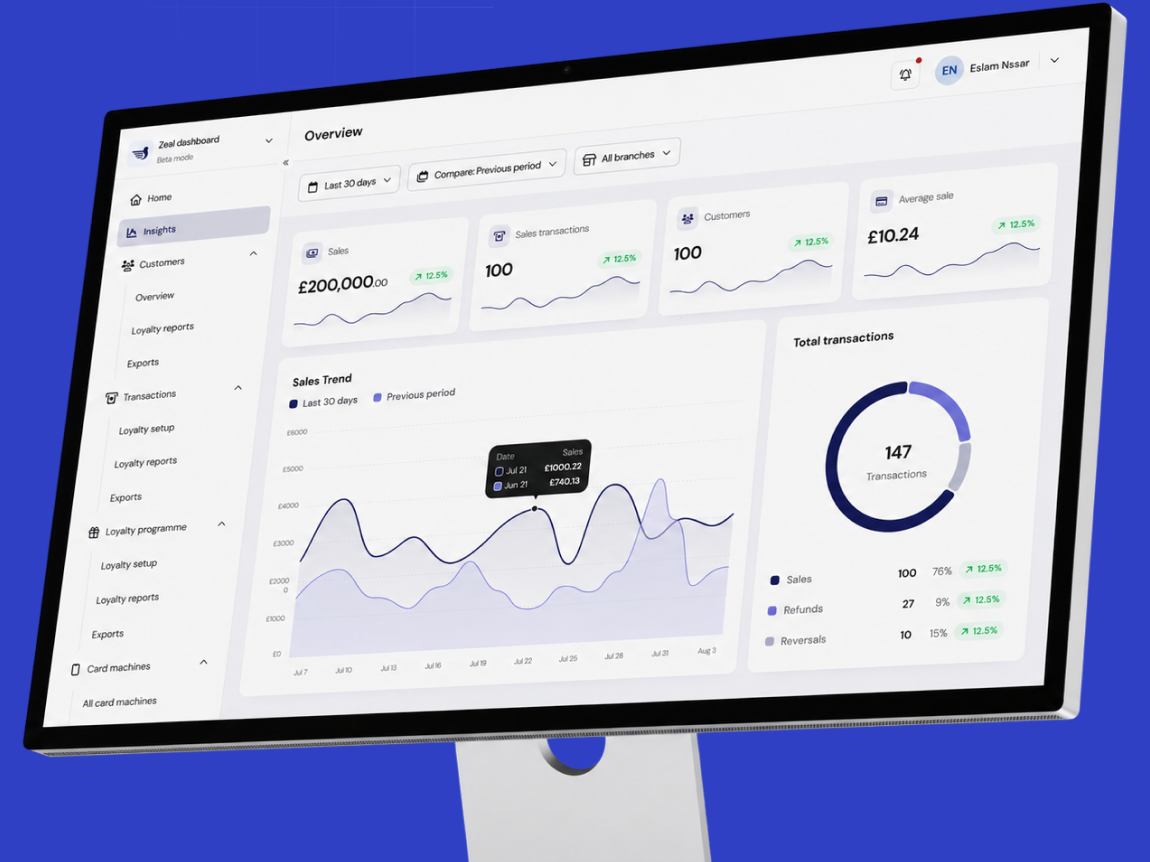
ISO value-added services only create retention if merchants actually use them. Zeal’s portfolio dashboard shows which merchants are active, disengaging, or need attention across the entire estate in real time.
By then, churn has already started. That’s the ISO pain point no TMS solves: the gap between what’s happening at the terminal today and what shows up in the data weeks later.
The portfolio view shows you which merchants are active, which are disengaging, and which need a conversation…before they’ve had one with a competitor.

Regulatory changes have squeezed interchange fees across the industry. ISOs have less room to compete on rate than they did two years ago. The ones retaining merchants longest have moved the conversation away from price. They offer real-time transaction data, loyalty system, and visibility tools. The terminal becomes worth keeping, whatever a competitor quotes.
Value-added services are the products an ISO delivers on top of payment acceptance: loyalty programmes, customer identification, digital receipts and live transaction analytics running on the terminals already deployed. They create recurring revenue for the ISO and give merchants a reason to stay that has nothing to do with rate.
By seeing the warning signs early and giving merchants something they would have to give up by switching. Zeal scores churn risk from live terminal signals - falling transaction frequency, shrinking baskets, regulars going quiet - so your team can call before the merchant cancels, and the loyalty programme running on the terminal makes leaving costly.