One loyalty programme, online and at the till
Most ecommerce loyalty program software stops at the website. Zeal carries it into the shop through the payment terminal, so online and in store loyalty run as one scheme and omnichannel rewards reach the same customer on both sides of the business — with no app and no QR code at the counter.
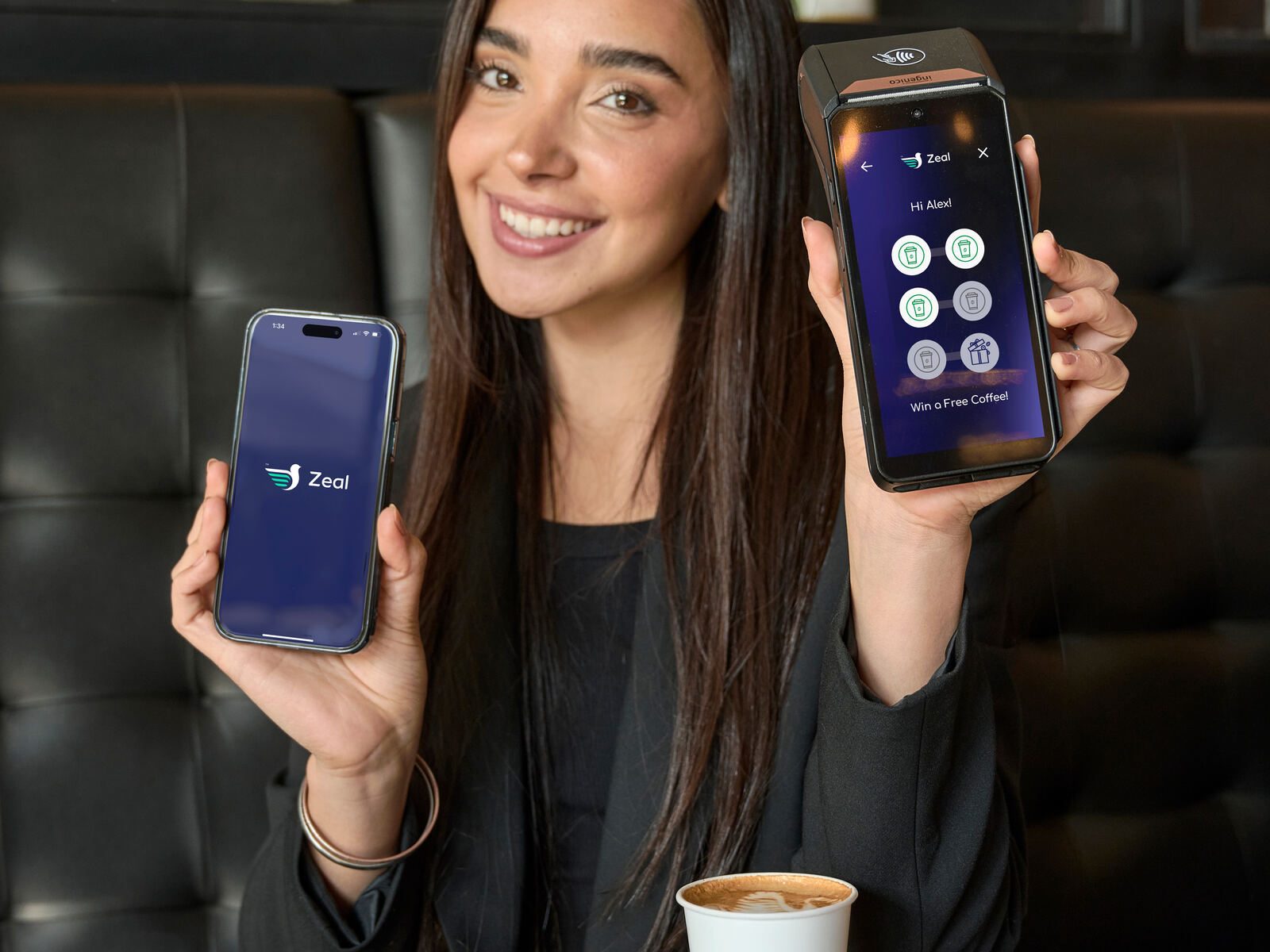
Print your own branded receipt
Type a company name (payment provider or merchant, either works), then keep scrolling. The card machine does the rest: your name on the screen, your receipt out of the printer, and your customer's loyalty balance already on it.
Your brand on the receipt
Works for a payment provider or a merchant. Prefer a click? Use the button.
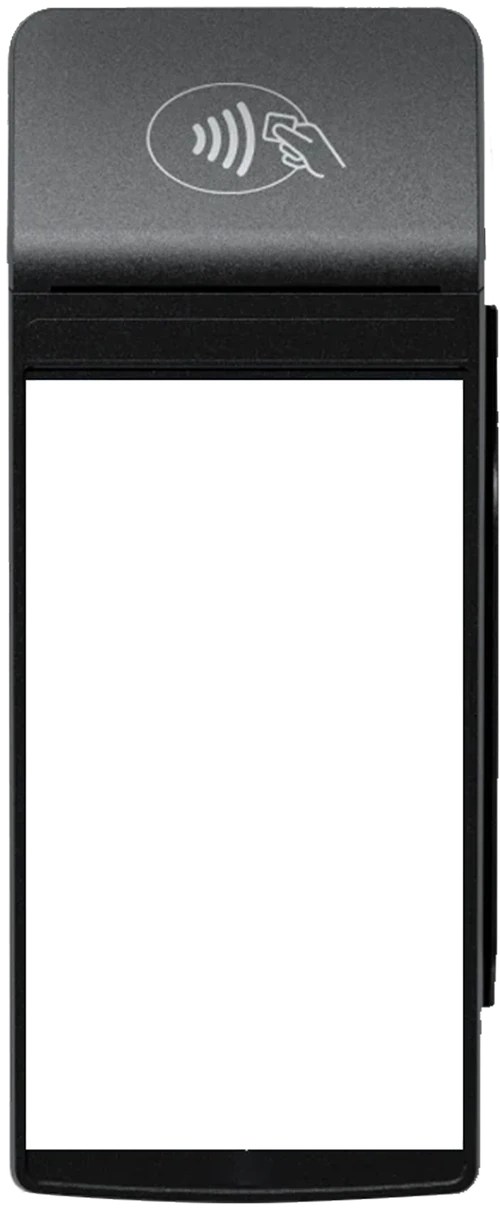
The World's #1 VAS Solution on Payment Terminals


The gap between online and in store
Ecommerce platforms know who bought what. Physical stores usually do not, unless the customer volunteers a card, an app or a phone number at the counter. That is where most omnichannel loyalty programmes quietly break.
Recognition at the point of payment
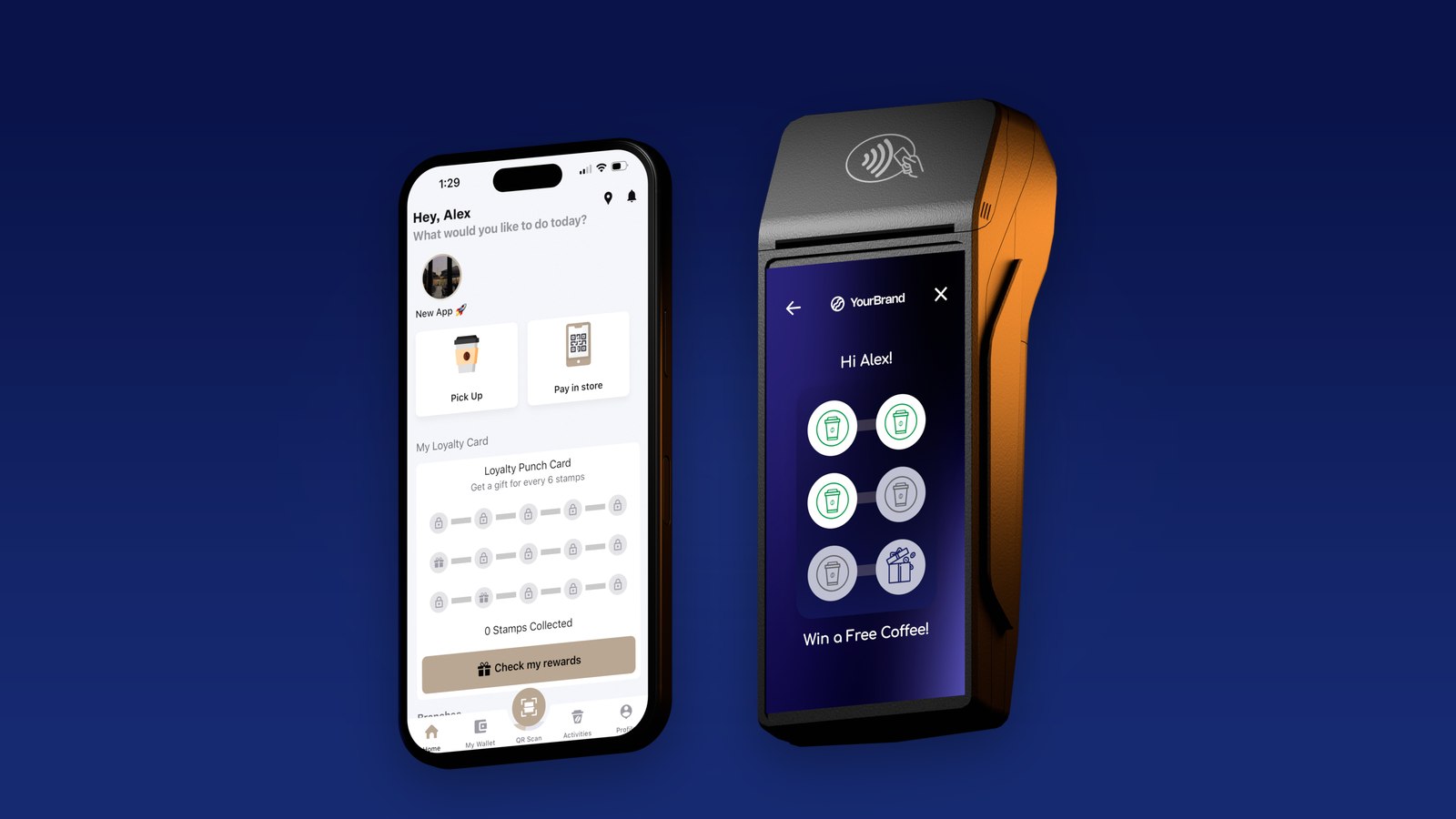
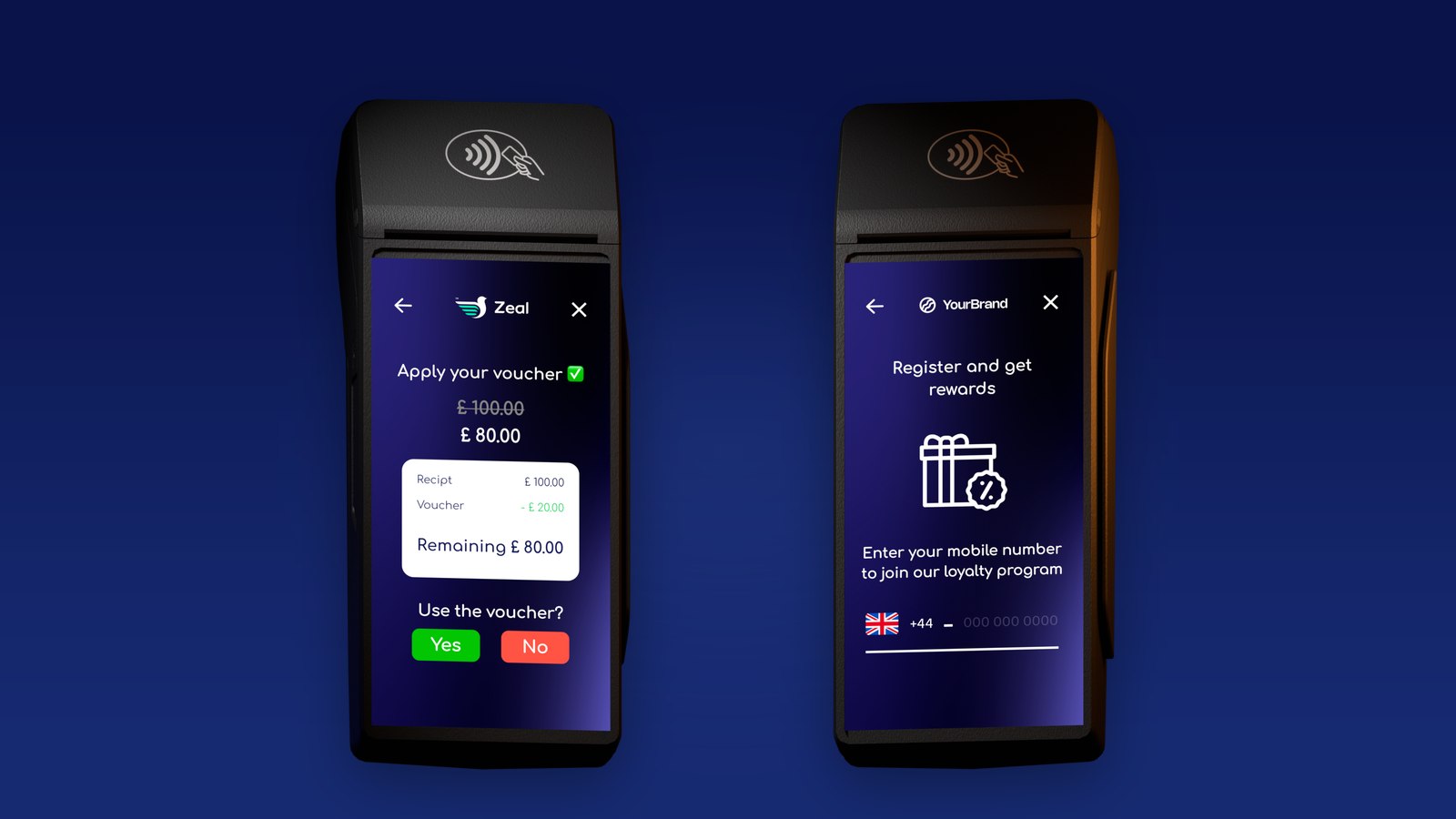
Zeal identifies the returning customer during the card transaction, without a separate app or QR code, so in-store activity can join the same programme as online activity rather than sitting in a separate silo.
One customer record, two channels
Purchases made in store can be attributed to the same customer profile your ecommerce platform already maintains, subject to the consent and data design agreed for your deployment.
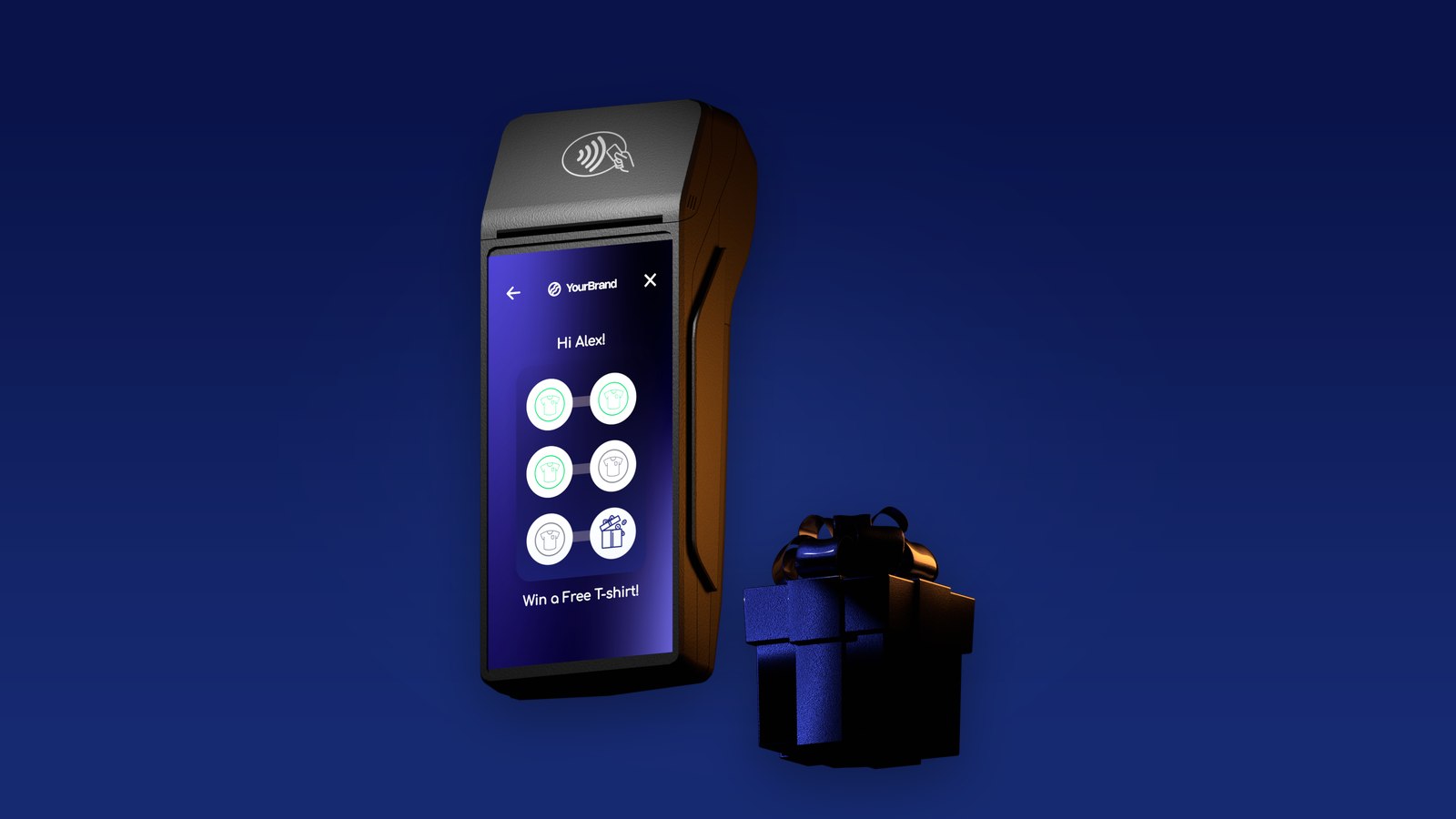
Why omnichannel loyalty usually fails in the shop, not on the site
The online half of an omnichannel programme is the easy half. Every visitor arrives already identified by a login or a checkout email, so points, tiers and segments follow naturally. The shop is where the model runs out of road.
In a physical store the customer is anonymous by default. Every workaround asks them to do something extra at the counter: give a phone number, open an app, scan a code, read out an email address. Each of those steps loses people, and it loses the most in exactly the busy periods that matter most.
So the programme looks healthy in the dashboard and thin on the shop floor. Online spend is fully attributed, in-store spend is largely invisible, and a customer who buys weekly in the shop and twice a year online looks like a lapsed online customer rather than a loyal one.
Zeal closes that gap at the only moment a store reliably has the customer's attention and a piece of persistent identity: the payment itself. Recognition happens inside the transaction the customer is already completing, so nothing is added to the queue and nothing depends on staff remembering to ask.
The result is a single view rather than two partial ones. Rewards earned online can be recognised in store and rewards earned in store can be recognised online, within whatever data and consent design your legal and technical teams agree before deployment.
Works with what you already run
Zeal does not replace your ecommerce platform or your loyalty provider. It adds the in-store leg those systems cannot see on their own, and hands the resulting activity back in a form they can use.
That matters commercially as well as technically. Nobody wants to re-platform a working loyalty programme to fix its blind spot, and a proposal that starts with migration usually never gets approved.

Data and consent
Field-level data mapping, lawful basis, retention and deletion are agreed before deployment rather than discovered afterwards. Payment credentials are not treated as unrestricted customer identifiers.
This is usually the part that decides whether an omnichannel project ships. Getting the data design signed off early is faster than building first and asking a privacy team to bless it later.
What you can finally measure
Whether an online campaign produced a store visit. Whether a store customer ever buys online. How much of what looks like churn is really a customer who simply moved channel.
Those three questions are unanswerable while the shop is anonymous, and they are the ones that determine where the marketing budget should go. Redemption is recorded at the terminal, so store results are counted rather than modelled.
What is an omnichannel loyalty programme?
An omnichannel loyalty programme is a single scheme in which a customer is recognised and rewarded consistently wherever they buy — website, app or physical store — and their activity across those channels contributes to one profile. The technical requirement that defines it is identity: the programme must be able to recognise the same person in a store as it does at an online checkout.
What this does not do
It does not merge every record automatically. A customer who pays with a different card in store than online is two identities until something links them, and how far you go in linking them is a decision for your privacy design, not a default. It also does not fix a weak proposition: recognition tells you who came back, it does not make them want to.
Omnichannel loyalty questions
Do we have to replace our ecommerce loyalty platform?
No. Zeal is designed to sit alongside what you already run and supply the in-store recognition layer. The integration surface is scoped to what your existing platform can accept, and nothing about the online programme has to change.
Does the customer need an app to be recognised in store?
No. Recognition happens through the card transaction on the terminal. There is no app to download, no code to scan and nothing to remember, which is precisely why in-store participation does not collapse the way it does with app-based schemes.
Can rewards earned online be redeemed in store?
That is the intended shape of the deployment, and it depends on the integration between Zeal and the system that holds the balance. Feasibility is confirmed against your specific platform rather than assumed, and redemption in store follows card scheme rules with one settled transaction.
What about customers who do not want to be recognised?
Consent is part of the deployment design, and a customer who declines simply pays as normal with nothing changed about their transaction. Lawful basis, retention and deletion are documented before go-live, and the screens are written so that nobody is confused about what they are agreeing to.
The fastest way to test this is on one region. Tell us what runs your online programme and which terminals are in your shops, and we will map what can join up.
Book a walkthrough with the Zeal teamActivating Zeal on your card machines is a breeze
Choose your integration path
Connect host-to-host through our APIs or embed the on-terminal SDK. You get a sandbox, an integration guide and a reference implementation from day one.
Share your estate details
Send your merchant data file with TIDs, MIDs and terminal models. We prepare signed builds for each terminal type, with release notes and a rollback plan.
Pilot, then roll out
We prove the experience on a pilot cohort with hands-on support, then deploy remotely across your estate through your TMS. No hardware changes, no engineer visits.
Go live and activate
Your merchants get onboarding flows, training material and ready-made campaign templates for their first 90 days, and you track activation and usage by cohort.
This is how we’re revolutionising payments for our partners
See what Zeal delivers in the field. Our partners earn new revenue from their terminal estates, and their merchants get customer identification, loyalty and insight at the point of payment.
Merchants run Zeal on the card machines they already own.
More repeat visits for restaurants running loyalty on Zeal.
Customer profiles created for merchants using Zeal.
Don’t take our word for it

Manos Perdikaris
Business Unit Manager


Jean-Philippe Niedergang
CCO and CEO of EMEA Region


Boris Ferlet
SVP, Android & Partner Ecosystem


Ahmed Hanafi
Founder & CEO


Mostafa Al Sagheer
CEO

Zeal has flexible pricing to fit your business needs
Every agreement is shaped with your commercial team: revenue share on a joint go-to-market, or an annual licence across your MIDs.
Revenue share or annual licence
One integration, two commercial models. Partner on revenue share, where Zeal goes to market inside your merchant proposition and we share the value-added services revenue it creates. Or license annually, a fixed yearly fee that activates Zeal across the MIDs you nominate, with predictable costs from day one.
Enable your card machines to:
Identify customers and offer exclusive rewards
Offer zero-friction card-linked loyalty
Showcase merchant branding and collect feedback
Provide merchants with powerful analytics
Provide you with powerful customer behaviour insights
Want to learn more?
Frequently asked questions
Zeal transforms your card machines into intelligent customer engagement tools, enabling real-time customer insights, visibility over in-store customers, and frictionless loyalty programmes for your merchants.
By integrating Zeal, you open new revenue streams through value-added services, differentiate your offering in a competitive market, and significantly boost merchant retention.
Zeal enables your card machines to identify customers through their payment cards, recognising employees, airline passengers, or telecom customers at the point of sale. This allows you to offer tailored rewards linked to existing corporate benefits or loyalty programmes. With Zeal, you can strengthen strategic partnerships and drive higher transaction volumes for your merchants.
Yes. Zeal is fully compliant with PCI DSS, GDPR, and follows industry best practices for data protection and security. Our technology is designed with privacy and compliance at its core.
Zeal is also recognised by industry leaders such as Visa and Ingenico, and has trusted partners worldwide, reinforcing our commitment to innovation, reliability, and global scalability.
Choose your integration path (host-to-host API or on-terminal SDK), share your merchant data file with TIDs, MIDs and terminal models, and we handle the rest: signed builds, a supported pilot, then remote deployment across your estate through your TMS.
Zeal runs on supported Android and Linux payment terminals. Compatibility depends on the terminal model, firmware, payment application, payment provider and acquirer route. We confirm the supported setup and any required approvals before scheduling a rollout.
Yes. Zeal is built for global scalability and there are active card machines with Zeal in multiple markets globally. With multilingual support, regional compliance, and flexible integration options, Zeal can be activated anywhere, enabling consistent value-added services for your merchants worldwide.