Reward the products, not just the spend
Points per pound treats every purchase the same. Zeal brings sku level loyalty to the payment terminal: product level rewards and basket level offers applied at the moment the customer pays, wherever the integration allows the basket to be read.

Print your own branded receipt
Type a company name (payment provider or merchant, either works), then keep scrolling. The card machine does the rest: your name on the screen, your receipt out of the printer, and your customer's loyalty balance already on it.
Your brand on the receipt
Works for a payment provider or a merchant. Prefer a click? Use the button.
The World's #1 VAS Solution on Payment Terminals


The limits of points per pound
Spend-based loyalty rewards the total and ignores the contents. It cannot distinguish the customer buying a high-margin line from one buying a promotion, and it gives a retailer no lever over what sells next.
Offers at item level
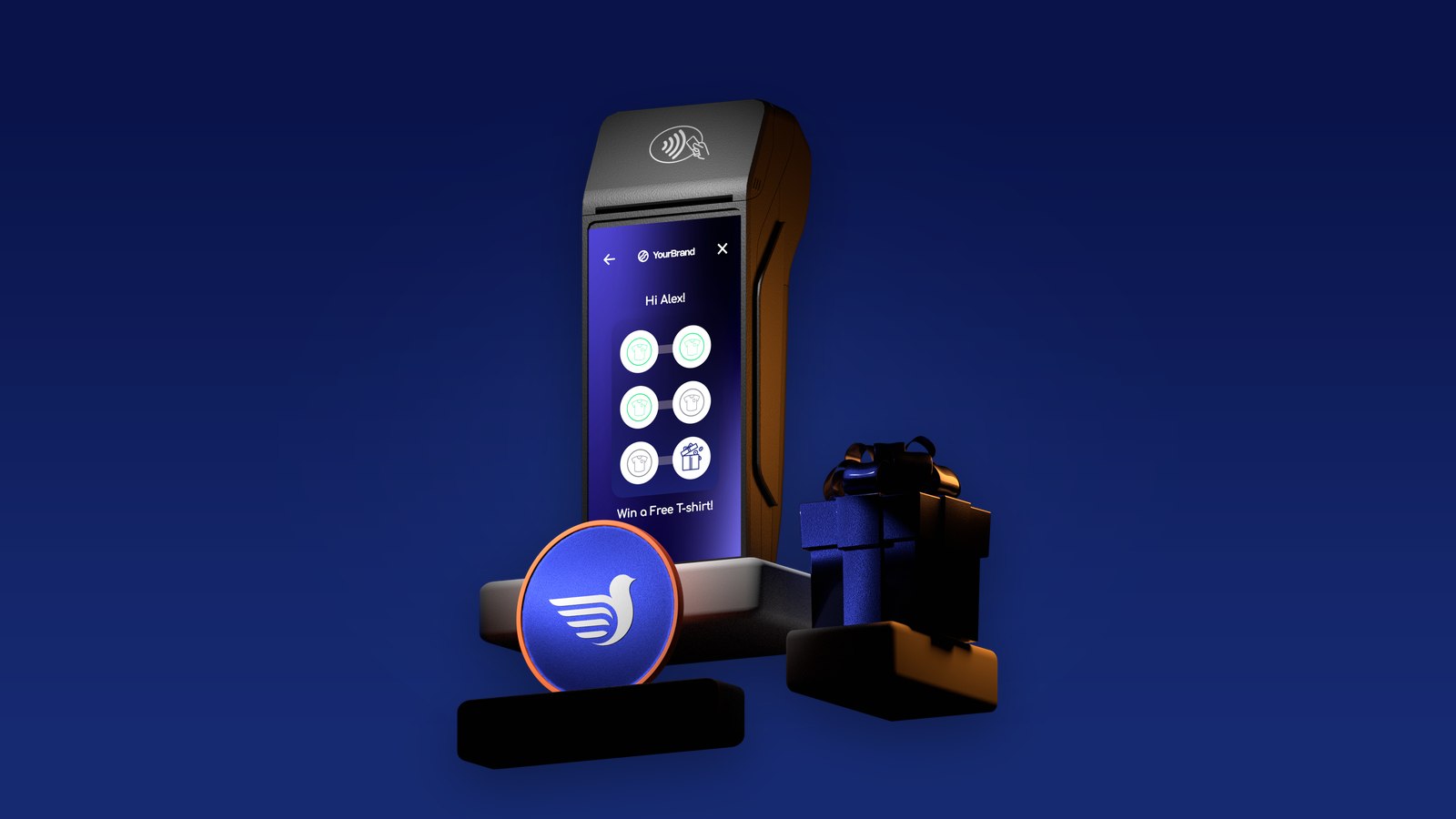
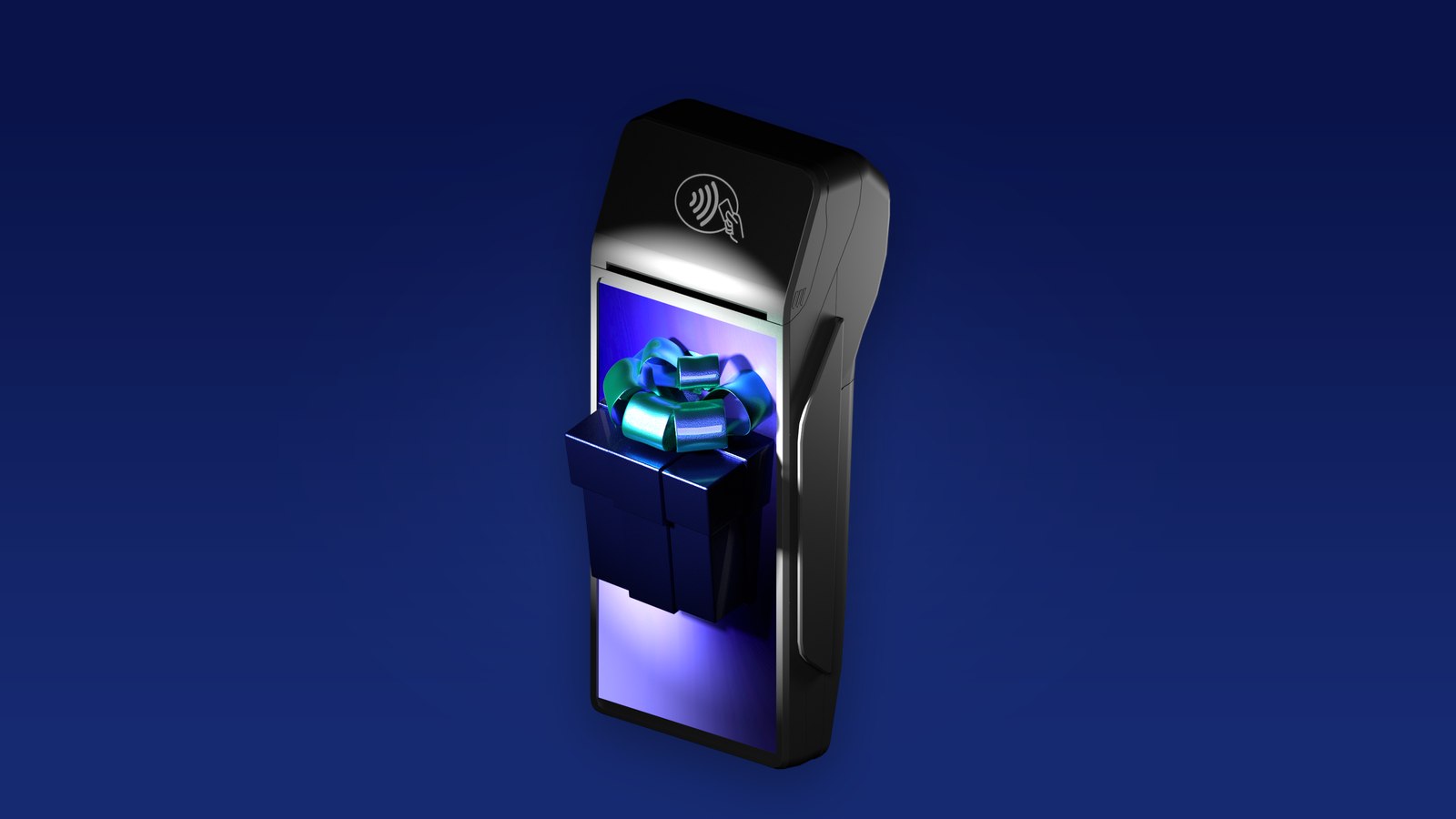
Where the integration allows the basket to be read, offers can be applied to specific products or product groups rather than to the transaction as a whole.
Delivered at the moment of payment
The offer appears on the terminal during the transaction, so there is no separate redemption step and nothing for the customer to remember or bring back with them.
Why the basket, and not the total, is the useful unit
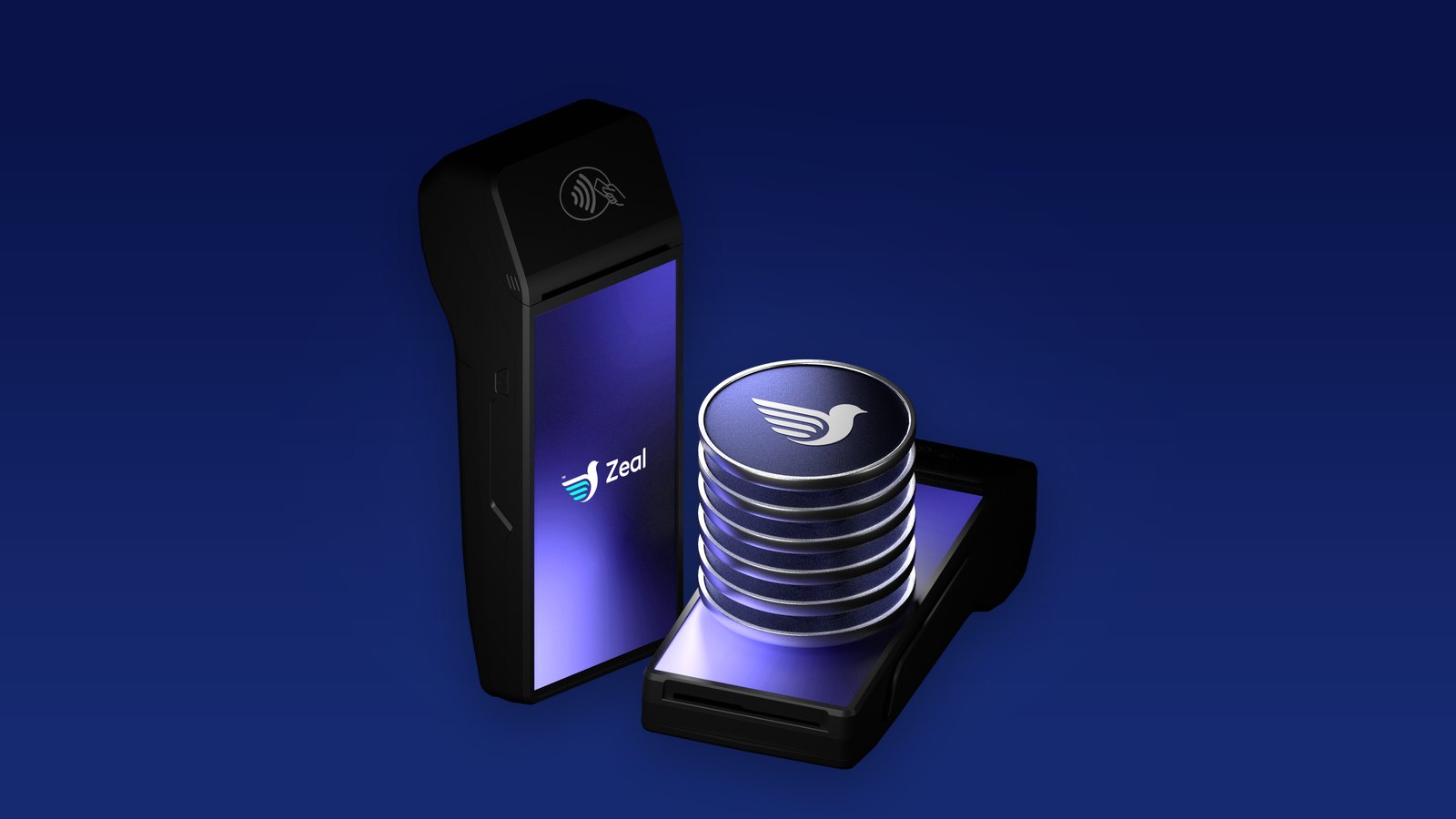
A loyalty scheme that only sees a total is a scheme that can reward behaviour but never shape it. Two customers spending forty pounds look identical to it, even when one filled a basket with own-label essentials and the other bought the three lines you most want to move.
That distinction is where the margin lives. Category managers do not think in totals; they think in lines, ranges, cannibalisation and rate of sale. A loyalty programme that cannot address a line is a marketing tool that cannot speak the language of the people who run the business.
It also changes what an offer costs. A blanket discount on the total subsidises everything in the basket including the items the customer was always going to buy. An offer attached to a product only pays out where it changed a decision, which is a materially different economic proposition.
Zeal applies the offer at the terminal while the transaction is happening. There is no voucher to print, no code to type and nothing that depends on the customer having planned ahead — which means the offer reaches people who were not already looking for it.
How far this can go depends entirely on your setup. Item-level offers require the basket to be visible to the terminal through an approved interface, and that is a question about your EPOS integration rather than about the loyalty scheme. It is confirmed per configuration before anything is promised.
What this needs to work
Item-level offers depend on the EPOS integration, the approved interface between till and terminal, and the data fields available in your specific deployment. Some estates expose a full basket, some expose a category, some expose only a total.
Feasibility is confirmed per configuration rather than assumed. Where the basket is not available, the same mechanics still run at transaction level, and the scope is agreed up front instead of discovered during a pilot.

Reporting by product, not just by programme
Redemption is recorded against the offer, so performance can be reviewed by product or product group rather than only as a single programme number.
Because redemption happens inside a real transaction rather than as a click, the numbers describe purchases. That makes the results legible to a commercial team that has learned to discount marketing metrics.
Where this is worth the effort
Ranges with real margin spread between lines. Categories where trial drives repeat. New product launches that need a first purchase rather than a discount on everything.
It is less useful where every line carries the same margin and the basket is small and predictable. Worth saying plainly: if spend-based loyalty already does the job, item-level adds complexity without adding a lever.
What is SKU-level loyalty?
SKU-level loyalty is a loyalty mechanic that rewards specific products or product groups rather than total transaction value, so an offer can target the individual line a retailer or brand wants to move. It requires the basket contents to be readable at the point the reward is applied, which is why it depends on the EPOS and terminal integration rather than on the loyalty scheme alone.
What item-level offers cannot do
They cannot read a basket the till does not expose, and no amount of configuration works around a missing interface. They do not fix availability: an offer on a line that is out of stock creates a worse experience than no offer at all. And they do not make a product succeed — they buy trial, and the product has to earn the second purchase on its own.
Product-level rewards questions
Does this require an EPOS integration?
For true item-level offers, yes — the basket has to reach the terminal through an approved interface. The specific requirement depends on your till system and how it is connected. We confirm what is available in your configuration before scoping the offer mechanics.
Can offers target a group of products rather than one line?
Yes, where the data supports it. Product groups are often the more practical unit: a category, a range or a supplier's lines, rather than a single barcode. That also keeps the offer resilient when a specific line is out of stock.
How does redemption reconcile?
Redemption follows card scheme rules with one settled transaction, so reconciliation stays as your finance team already knows it. The offer is recorded against the transaction that carried it, which is what makes product-level reporting possible.
Can a brand fund an item-level offer?
That is a common structure: the manufacturer funds the offer, the retailer delivers it through terminals already in store, and redemption is reported against the funded line. The commercial and approval structure is agreed between retailer and brand before anything goes live.
The honest first question is what your till can expose. Tell us your EPOS and how it connects to your terminals, and we will tell you whether item-level offers are realistic before anyone builds a business case.
Book a walkthrough with the Zeal teamActivating Zeal on your card machines is a breeze
Choose your integration path
Connect host-to-host through our APIs or embed the on-terminal SDK. You get a sandbox, an integration guide and a reference implementation from day one.
Share your estate details
Send your merchant data file with TIDs, MIDs and terminal models. We prepare signed builds for each terminal type, with release notes and a rollback plan.
Pilot, then roll out
We prove the experience on a pilot cohort with hands-on support, then deploy remotely across your estate through your TMS. No hardware changes, no engineer visits.
Go live and activate
Your merchants get onboarding flows, training material and ready-made campaign templates for their first 90 days, and you track activation and usage by cohort.
This is how we’re revolutionising payments for our partners
See what Zeal delivers in the field. Our partners earn new revenue from their terminal estates, and their merchants get customer identification, loyalty and insight at the point of payment.
Merchants run Zeal on the card machines they already own.
More repeat visits for restaurants running loyalty on Zeal.
Customer profiles created for merchants using Zeal.
Don’t take our word for it

Manos Perdikaris
Business Unit Manager


Jean-Philippe Niedergang
CCO and CEO of EMEA Region


Boris Ferlet
SVP, Android & Partner Ecosystem


Ahmed Hanafi
Founder & CEO


Mostafa Al Sagheer
CEO

Zeal has flexible pricing to fit your business needs
Every agreement is shaped with your commercial team: revenue share on a joint go-to-market, or an annual licence across your MIDs.
Revenue share or annual licence
One integration, two commercial models. Partner on revenue share, where Zeal goes to market inside your merchant proposition and we share the value-added services revenue it creates. Or license annually, a fixed yearly fee that activates Zeal across the MIDs you nominate, with predictable costs from day one.
Enable your card machines to:
Identify customers and offer exclusive rewards
Offer zero-friction card-linked loyalty
Showcase merchant branding and collect feedback
Provide merchants with powerful analytics
Provide you with powerful customer behaviour insights
Want to learn more?
Frequently asked questions
Zeal transforms your card machines into intelligent customer engagement tools, enabling real-time customer insights, visibility over in-store customers, and frictionless loyalty programmes for your merchants.
By integrating Zeal, you open new revenue streams through value-added services, differentiate your offering in a competitive market, and significantly boost merchant retention.
Zeal enables your card machines to identify customers through their payment cards, recognising employees, airline passengers, or telecom customers at the point of sale. This allows you to offer tailored rewards linked to existing corporate benefits or loyalty programmes. With Zeal, you can strengthen strategic partnerships and drive higher transaction volumes for your merchants.
Yes. Zeal is fully compliant with PCI DSS, GDPR, and follows industry best practices for data protection and security. Our technology is designed with privacy and compliance at its core.
Zeal is also recognised by industry leaders such as Visa and Ingenico, and has trusted partners worldwide, reinforcing our commitment to innovation, reliability, and global scalability.
Choose your integration path (host-to-host API or on-terminal SDK), share your merchant data file with TIDs, MIDs and terminal models, and we handle the rest: signed builds, a supported pilot, then remote deployment across your estate through your TMS.
Zeal runs on supported Android and Linux payment terminals. Compatibility depends on the terminal model, firmware, payment application, payment provider and acquirer route. We confirm the supported setup and any required approvals before scheduling a rollout.
Yes. Zeal is built for global scalability and there are active card machines with Zeal in multiple markets globally. With multilingual support, regional compliance, and flexible integration options, Zeal can be activated anywhere, enabling consistent value-added services for your merchants worldwide.